How To Clean Rusty Cast Iron Properly is not just about restoring your cookware; it’s about preserving a piece of culinary history that can elevate your cooking game. Cast iron skillets and pots are like fine wine—they get better with age, but neglect can turn them into a rusty nightmare. Whether you’ve inherited grandma’s old skillet or bought a second-hand gem, knowing how to tackle rust effectively can make all the difference in keeping your beloved cookware in top shape.
Maintaining cast iron is crucial for achieving the best cooking results, and neglecting rust can lead to a decline in performance and longevity. Ignoring rust not only affects the appearance of your cookware but can also compromise its functionality, leading to uneven cooking and potential food safety issues. In this guide, we will take you through identifying rust, effective rust removal techniques, and how to prevent it from coming back, ensuring your cast iron remains a reliable kitchen staple for years to come.
Understanding the Importance of Properly Cleaning Rusty Cast Iron Cookware
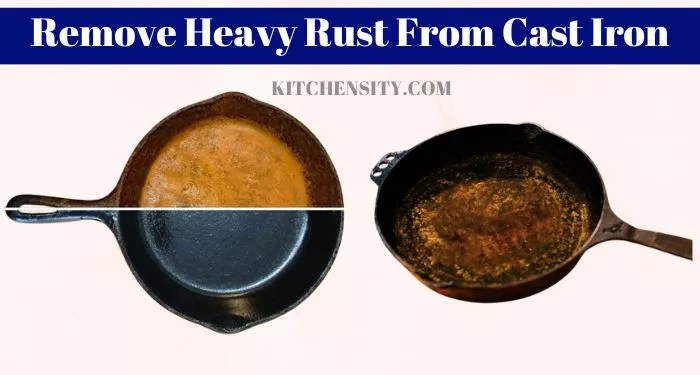
Taking care of your cast iron cookware is not just about keeping it pretty; it’s about preserving its performance and longevity. Cast iron is beloved by many home cooks and professional chefs alike for its unparalleled heat retention and distribution. When properly maintained, these pans can last a lifetime, aging gracefully and developing a natural non-stick surface that improves with use.
However, if you let rust take over, that perfect cooking companion can quickly become a burden. The right cleaning techniques are essential to keep your cookware performing at its best, ensuring that your meals not only taste great but are also cooked evenly.Neglecting rust on your cast iron cookware can severely impact its longevity and functionality. Rust indicates that the protective seasoning layer has been compromised, allowing moisture and air to corrode the iron.
Over time, this can lead to pitting and flaking, making your pan less effective and more difficult to clean. If you simply scrub off the rust without addressing the underlying issues, you’re likely to face recurring rust problems. Some common issues that arise from improper cleaning include:
Common Issues from Incorrect Cleaning
When cleaning rusty cast iron incorrectly, you might face several frustrating challenges that can diminish the quality of your cookware. Here are some examples that highlight why proper techniques matter:
- Loss of Seasoning: Overzealous scrubbing or the use of harsh chemicals can strip away the seasoning layer, leaving the iron exposed. This not only increases the likelihood of rust but also affects the non-stick properties of the pan.
- Pitting and Damage: Improper tools like steel wool can scratch the surface of the cast iron, leading to pitting. This makes it easier for moisture to settle in the crevices, accelerating rust formation.
- Inconsistent Cooking Surface: If rust isn’t removed properly, it can create uneven surfaces that may affect how heat is distributed during cooking, leading to hot spots and unevenly cooked food.
- Food Contamination: Cleaning methods that leave residue or fail to fully remove rust can lead to off-flavors and contamination of food, compromising your culinary efforts.
Maintaining your cast iron cookware is crucial for optimal cooking performance. Taking the time to clean it properly can save you from a world of hassle and ensure that your investment not only remains intact but continues to enhance your cooking experience for years to come.
Identifying Rust on Cast Iron Cookware
When it comes to cast iron cookware, rust is an unwelcome guest that can turn your beloved skillet from a culinary companion into a rusty relic. Recognizing the different types of rust is essential for ensuring that your cookware remains in peak condition. Cast iron can develop a few distinct types of rust, each signaling varying levels of distress. Understanding these will help you address the issue promptly and restore your cookware without any hassle.There are primarily two types of rust that can form on cast iron: surface rust and deeper corrosion.
Surface rust appears as a flaky, reddish-brown residue on the surface of the pan and is often just a cosmetic issue, easily remedied with a good scrub. In contrast, deeper corrosion can penetrate the metal, leading to pitting and structural damage. This type of rust is more severe and requires more aggressive cleaning methods.
Methods for Inspecting Cookware for Rust
To assess the state of your cast iron and detect any rust, visually inspecting the cookware is crucial. Here are some tips for a thorough examination:
Look for discoloration
Inspect the surface for any reddish-brown spots or patches that indicate rust. These may appear as small dots or larger areas of flaking.
Feel the texture
Run your fingers across the surface of the cookware. Surface rust will feel rough to the touch, while deeper corrosion may feel uneven and pitted.
Check the edges and corners
Rust often develops in the less-traveled areas of the cookware, so pay special attention to the edges and any grooves.
Use a flashlight
A bright light can help you see areas that are otherwise hard to spot, making it easier to identify rust spots that might blend in with the seasoning.To differentiate between surface rust and deeper corrosion, consider the following indicators:
- Surface rust is typically easy to remove with a gentle abrasive like steel wool or a sponge, while deeper corrosion often requires more intense methods, such as chemical rust removers or sandblasting.
- The presence of flakes or powder-like substances on the surface usually indicates surface rust, while rough, jagged edges or pits suggest deeper corrosion.
By carefully inspecting your cast iron cookware and recognizing these signs, you can effectively manage rust and keep your kitchen tools in great shape for years to come.
Safe and Effective Rust Removal Techniques for Cast Iron
Removing rust from cast iron can seem daunting, but with the right techniques, it can be a straightforward process. Keeping your cast iron in tip-top shape not only prolongs its life but also ensures your cooking remains top-notch. Whether you’re dealing with a family heirloom or a garage sale find, there are various methods to tackle that pesky rust, each with its own pros and cons.There are two primary categories of rust removal techniques: chemical solutions and natural methods.
Each has its merits and drawbacks, making it essential to choose the right approach based on your specific needs. Chemical rust removers are often effective and quick but can be harsh on the environment and your skin. On the other hand, natural methods may require more elbow grease but are usually safer and more eco-friendly.
Rust Removal Techniques Comparison
When it comes to rust removal, knowing the differences in techniques can help you decide the best one for your cast iron. Below are some effective methods along with their effectiveness and potential drawbacks.
| Method | Description | Effectiveness | Drawbacks |
|---|---|---|---|
| White Vinegar | A natural acid that effectively dissolves rust. | High | Can leave a vinegary smell; may require scrubbing. |
| Baking Soda Paste | Mixing baking soda with water to form a paste to scrub rust away. | Medium | Requires some scrubbing; less effective on heavy rust. |
| Commercial Rust Remover | Chemical solutions designed specifically for rust removal. | High | Can be toxic; requires careful handling and rinsing. |
| Electrolysis | A method using electrical current to remove rust. | Very High | Requires a setup with a battery and electrolyte; more complex. |
| Scraping and Sanding | Manually removing rust using a scraper or sandpaper. | Medium to High | Time-consuming; can damage the surface if not done carefully. |
Choosing the right method depends on the severity of the rust and your comfort level with each technique. Remember, some methods may require additional tools or ingredients, so be sure to gather everything you need before diving in. Each rust removal approach has its place; consider what works best for your situation.
Restoring the Seasoning After Rust Removal
After you’ve tackled the pesky rust on your cast iron cookware, the next step is to restore that crucial seasoning. Seasoning gives cast iron its non-stick properties and protects it from future rust. Getting this right is essential for maintaining your cookware’s performance and longevity. Let’s dive into how you can effectively re-season your cast iron after rust removal.
Steps to Properly Re-season Cast Iron Cookware
Restoring the seasoning involves using an oil that can withstand high heat, creating a durable, protective layer. Here’s a rundown of the best oils to use along with the detailed process for seasoning your cast iron cookware:The best oils for seasoning include:
- Flaxseed Oil: This oil is praised for its high smoke point and polymerization properties, making it a favorite for many cast iron enthusiasts.
- Canola Oil: Affordable and with a good smoke point, canola oil is a reliable choice that offers even coverage.
- Grapeseed Oil: Known for its high smoke point and mild flavor, this oil is another excellent option for seasoning.
- Vegetable Oil: Commonly found in kitchens, vegetable oil is versatile and effective for seasoning.
Now, let’s get into the detailed procedure of the seasoning process.
1. Preheat Your Oven
Start by preheating your oven to 450°F (232°C). This high temperature is key to achieving a strong seasoning layer.
2. Apply Oil
Using a paper towel, apply a thin layer of your chosen oil all over the surface of your cast iron, including the handle and the exterior. Ensure it’s evenly coated without any excess drips.
3. Remove Excess Oil
Wipe away any excess oil with a clean paper towel. You want a very light coating, as too much oil can lead to a sticky surface after baking.
4. Place Upside Down in the Oven
Line a baking sheet with aluminum foil and place it on the bottom rack of your oven to catch any drips. Then, place your cast iron cookware upside down on the top rack. This allows any excess oil to drip off without pooling inside the cookware.
5. Bake for an Hour
Let it bake for an hour. This process allows the oil to bond with the iron, creating that hard, protective layer.
6. Cool Down
After an hour, turn off the oven and let the cookware cool inside. This gradual cooling helps the seasoning set properly.
7. Repeat if Necessary
For the best results, it’s often recommended to repeat the seasoning process 2-3 times, especially if your cast iron was heavily rusted.By following these steps, your cast iron will not only regain its seasoning but also be ready for many delicious meals ahead. Enjoy cooking with your perfectly seasoned cookware!
Preventative Measures to Avoid Rust on Cast Iron

Taking care of your cast iron cookware is crucial for longevity and performance. By implementing a few best practices, you can keep your pans rust-free and ready for action. Rust doesn’t just ruin the aesthetics of your cookware; it can also affect the flavor of your food and diminish its cooking performance. Here, we’ll dive into essential techniques that help preserve your cast iron and ensure it remains a staple in your kitchen.
Best Practices for Maintaining Cast Iron Cookware
Understanding the proper maintenance of cast iron is key to preventing rust from forming. Here are some vital practices to keep your cookware in top shape:
- Regular Seasoning: Seasoning your cast iron creates a protective layer that helps keep moisture out. Aim to season your cookware after each use. Just apply a thin layer of vegetable oil and heat it in the oven for about an hour.
- Thorough Cleaning: After cooking, clean your pan with hot water and a stiff brush. Avoid using soap or soaking it for extended periods since that can strip away the seasoning.
- Thorough Drying: Always dry your cast iron immediately after washing. Leaving moisture on the surface is a sure way to invite rust. Heat your pan on the stove for a few minutes to ensure complete dryness.
- Proper Storage: Store your cast iron in a dry place. Consider placing a paper towel or cloth between the cookware and its lid to absorb any moisture and allow for air circulation.
- Avoid Cooking Acidic Foods: Foods like tomatoes and vinegar can degrade the seasoning layer over time. If you must cook them, be ready to re-season afterward.
“A well-maintained cast iron pan only gets better with age.”
Taking these steps not only prevents rust but also enhances the non-stick properties of your cast iron cookware. Regular upkeep ensures that your pans remain a reliable cooking companion for years to come. By adopting these practices, you can enjoy the benefits of cast iron cooking without the worry of rust damage. Remember, a little care goes a long way in maintaining that perfect cooking surface!
Troubleshooting Common Issues During the Cleaning Process: How To Clean Rusty Cast Iron Properly
Cleaning rusty cast iron can sometimes feel like a battle against time and corrosion. You might think you’re all set to restore that vintage skillet, only to find yourself faced with unexpected challenges. Whether it’s stubborn rust clinging onto the surface or a seasoning layer that’s taken a hit during the scrubbing, knowing how to troubleshoot these common issues can save the day—and your cast iron.One major headache is dealing with stubborn rust that seems determined to stick around.
This can happen for a variety of reasons, such as prolonged exposure to moisture or improper storage. When faced with this, it’s often effective to use a combination of baking soda and water to form a paste. Apply this to the rust spots and let it sit for a while to do its work. Afterward, scrub with a stiff brush or steel wool.
If the rust still doesn’t budge, consider using a chemical rust remover specifically designed for cast iron, but ensure it’s safe for cookware applications. Just remember to rinse thoroughly afterward.Another problem you might encounter is damage to the seasoning layer. This can occur if you use overly abrasive materials during cleaning or accidentally scrub too hard. The seasoning layer is important because it protects the cast iron from rust and provides a non-stick surface when cooking.
If you find that the seasoning has been compromised, don’t panic! You can easily re-season your cast iron once it’s clean. Start by applying a thin layer of vegetable oil and heating it in the oven at a high temperature for an hour. Using improper cleaning materials can also lead to issues. For instance, some sponges or cleaners can leave behind residues that are harmful or never truly wash off.
Stick with natural cleaning methods and materials like salt or baking soda, which are gentle yet effective. I once spoke to a friend who inherited their grandmother’s cast iron skillet, which was covered in rust and had a flavor of its own—unfortunately, not the good kind. They tackled it by soaking it in vinegar for a few hours, followed by a good scrubbing.
They followed up with re-seasoning, and now it’s one of their favorite pieces of cookware, reminding them of family dinners. Keeping these tips and tricks in mind will help you navigate through the challenges of cleaning rusty cast iron like a pro.
Comparing Commercial Products vs. DIY Solutions for Rust Removal
When it comes to cleaning rust off your cast iron cookware, you might find yourself torn between using commercial rust removal products and opting for DIY solutions. Both methods have their own set of advantages and disadvantages, making it essential to consider what’s best for your specific needs. Commercial products are often formulated with strong chemicals designed to tackle rust effectively.
They can save you time and effort, as many are designed to work quickly. However, they can also come with drawbacks such as high costs and potential environmental concerns. On the flip side, DIY solutions often utilize household items that are both economical and eco-friendly. Still, they may require more elbow grease and time to achieve the desired results.
Key Factors to Consider When Choosing Between Commercial and DIY Options, How To Clean Rusty Cast Iron Properly
When deciding between commercial rust removers and DIY solutions, it’s important to weigh several factors. These considerations can help you determine which route to take based on your circumstances and preferences:
- Effectiveness: Consider how quickly and thoroughly each method removes rust. Commercial products may work faster, but DIY solutions can be surprisingly effective if done correctly.
- Cost: DIY methods often use inexpensive household items like vinegar and baking soda, while commercial products can vary widely in price, often being more expensive.
- Ease of Use: If you’re looking for a quick fix, commercial products typically require less effort. DIY methods, while effective, may need more manual labor and time.
- Safety: Many commercial products contain harsh chemicals that require caution during use. DIY options are generally safer and more environmentally friendly.
- Availability: Depending on where you live, certain commercial products might be hard to find, while DIY ingredients can usually be found in your kitchen.
To help you choose the best commercial solution available, here’s a list of popular products along with their effectiveness according to user reviews:
- Rust-Oleum Rust Dissolver Gel: Users rave about its fast-acting formula, often noting noticeable results within an hour.
- Evapo-Rust: Highly regarded for being non-toxic and biodegradable, many reviews highlight its impressive rust removal capabilities without scrubbing.
- WD-40 Specialist Rust Remover: Ideal for light rust, users appreciate how easy it is to apply, though some suggest it may require multiple applications for tougher rust.
- CLR Calcium, Lime & Rust Remover: Effective for various surfaces, users report great success, especially on cookware, but caution about its strong smell.
- Loctite Naval Jelly: This thick gel clings to surfaces, providing effective rust removal, although some users mention the need for thorough rinsing afterward.
In summary, weighing the pros and cons of commercial products versus DIY solutions can help you find the best rust removal method for your cast iron treasures. Always remember to consider effectiveness, cost, safety, and the time you’re willing to invest before making your decision.
The Benefits of Regular Maintenance for Cast Iron Cookware
Keeping your cast iron cookware in tip-top shape is not just about aesthetics; it’s about enhancing your cooking experience and ensuring the longevity of your beloved pans. Regular maintenance is the secret sauce that keeps your cast iron looking good and functioning even better. If you want that perfect sear on a steak or crispy cornbread that pops right out of the pan, you need to put in a little bit of effort.
So, let’s dive into the importance of caring for your cast iron treasures!
Regular maintenance is crucial for preserving the quality and performance of your cast iron cookware. Over time, without proper care, cast iron can develop rust, lose its seasoning, and become a sticky cooking surface. When you maintain your cast iron correctly, you enhance its non-stick properties, prevent rust, and prolong its life. Additionally, a well-maintained cast iron skillet heats evenly and retains heat better, which is essential for achieving those perfect cooking results.
Imagine flipping pancakes that slide out effortlessly or browning meat to perfection every time. With a little dedication to maintenance, you’ll enjoy these outcomes consistently!
Simple Maintenance Routine
Integrating a maintenance routine into your cooking habits doesn’t have to be time-consuming or complicated. In fact, it’s quite straightforward. Here’s a simple, effective routine to keep your cast iron cookware in top condition:
1. Clean After Use
After cooking, let your cast iron cool down slightly and then clean it with warm water and a gentle scrub brush or sponge. Avoid soap unless it’s heavily soiled.
2. Dry Immediately
To prevent rust, dry your cast iron cookware right away with a towel or place it on low heat on the stove for a minute or two until completely dry. This step is crucial; moisture is the enemy of cast iron.
3. Apply a Thin Layer of Oil
Once dry, apply a small amount of vegetable oil or flaxseed oil to the surface, using a paper towel to spread it evenly. This helps maintain the seasoning and protects against rust.
4. Store Properly
Always store your cast iron cookware in a dry place. If stacking with other pots, place a paper towel between them to absorb any moisture and prevent scratching.
5. Re-season as Needed
If food starts to stick or if you notice that the surface isn’t as smooth as it used to be, it’s time to re-season. Coat the cookware with oil and bake it upside down in the oven at a high temperature for an hour to restore its non-stick finish.
With this routine, you can ensure your cast iron cookware will last for generations, cooking up delicious meals while looking beautiful on your kitchen shelf! Regular maintenance not only boosts performance but also saves you money in the long run, eliminating the need to replace cookware frequently.
Epilogue
In summary, mastering the art of cleaning rusty cast iron is essential for anyone who values the unique qualities of this cookware. By understanding the significance of proper maintenance, utilizing effective rust removal techniques, and implementing preventative measures, you’ll not only restore your cast iron to its former glory but also enhance your overall cooking experience. Remember, a well-cared-for cast iron piece is not just a tool; it’s a companion in your culinary journey.
Question Bank
Can I use steel wool to clean rust off my cast iron?
Yes, steel wool can be effective for heavy rust but be careful as it can also strip seasoning.
What’s the best oil for seasoning cast iron?
Flaxseed oil is highly recommended as it creates a durable non-stick surface when seasoned properly.
How often should I clean my cast iron?
Clean it after each use, and re-season as needed, especially if you notice any rust or food sticking.
Is it safe to cook with rusty cast iron?
It’s not recommended as rust can affect the taste of food and may pose health risks, so clean it first.
Can I put my cast iron in the dishwasher?
No, it’s best to hand wash cast iron with mild soap and dry it immediately to prevent rust.